June 19, 2026
Customizing a vehicle is a popular trend among car enthusiasts and casual drivers alike who want to break away from factory constraints. However, beyond the aesthetic appeal, upgrading to custom wheels and tires can significantly impact vehicle dynamics, handling, and the overall driving experience. This customization often leads to major shifts in traction, stability, braking efficiency, and even fuel economy. By understanding how these aftermarket modifications interact with mechanical systems, you can make informed choices that optimize both safety and driving enjoyment over the lifespan of your vehicle.
Selecting Optimal Wheel Specifications
Wheel diameter and width are crucial factors in determining how a vehicle handles on the road. Larger wheel diameters typically accommodate low-profile tires, which increase steering responsiveness and road grip due to stiffer sidewalls that resist lateral forces. However, this configuration reduces the rubber cushioning between the rim and the road, often resulting in a harsher ride where potholes and cracks are felt much more intensely. Finding a balanced configuration ensures that performance gains do not completely override daily driving comfort during long commutes.
Altering the wheel width directly alters the tire contact patch with the pavement, fundamentally changing how power is delivered. Wider custom wheels and tires distribute vehicle weight over a larger surface area, enhancing lateral stability and confidence during high-speed cornering maneuvers. Despite these benefits, oversized wheels can cause clearance issues within the fender wells and increase unsprung weight, which strains suspension components. Precision engineering, correct offset calculations, and accurate measurements are absolutely required to keep these upgrades safe, legal, and fully functional.
Material construction also dictates performance outcomes, acting as a defining factor in how agile a vehicle feels. Light alloy wheels, such as those made from forged aluminum, reduce rotational mass, allowing the vehicle to accelerate and decelerate with far less mechanical effort from the powertrain. Conversely, heavy steel wheels provide superior durability for punishing off-road environments but can degrade fuel economy and steering agility on paved highways. Matching the wheel material to your specific driving conditions is essential for maximizing performance and longevity.
Evaluating Key Tire Characteristics
Tire size and aspect ratios dictate how effectively a vehicle handles diverse road conditions and handles unexpected surface hazards. A lower aspect ratio improves cornering stiffness and offers a sportier, more connected feel, though it leaves the metal wheel structure more vulnerable to expensive pothole damage. Meanwhile, taller tires offer a more cushioned ride and naturally protect suspension components but may induce body roll during aggressive steering maneuvers. Selecting the right tire dimensions preserves predictable handling dynamics while maintaining appropriate ride height variables.
Load indexes and speed ratings must always align with or exceed original equipment manufacturer specifications to prevent catastrophic failures under heavy stress. Custom wheels and tires must be paired with rubber compounds that match the weight of the vehicle and its maximum operational speeds. Utilizing tires with insufficient ratings leads to rapid heat buildup and accelerated tread breakdown, jeopardizing driver safety on the highway. According to Cars.com, if you frequently drive in the city or through rush-hour traffic, your brakes may last only 15,000 to 30,000 miles, highlighting how stop-and-go environments place compounding stress on both tires and braking systems.
Tread patterns and rubber compounds further determine seasonal adaptability and traction limits on slick or uneven surfaces. Soft rubber compounds deliver exceptional grip on dry track surfaces but wear down rapidly under daily commuting conditions, making them costly for everyday drivers. All-season treads offer a practical compromise for variable weather but lack the specialized edge of dedicated winter or summer performance models. Drivers must evaluate their local climate, annual rainfall, and mileage habits before selecting a specific tire compound.
Enhancing Dynamics Through Customization
Upgrading to a premium set of custom wheels and tires can dramatically reduce a vehicle's stopping distance and accelerate throttle response across all gears. When lightweight aluminum or carbon fiber rims replace heavy factory steel units, the engine expends less energy overcoming rotational inertia, unlocking hidden power. This reduction in unsprung weight allows the suspension to react faster to road imperfections, keeping the tire firmly planted against the asphalt for continuous control.
Braking efficiency is also improved through better thermal management and increased friction against the driving surface. Many aftermarket wheels feature open-spoke designs that maximize airflow around the brake rotors, reducing brake fade during intense use or downhill mountain driving. When combined with high-traction performance tires, the vehicle can execute emergency stops with greater control and minimal sliding. These combined benefits show that customization is as much an investment in active safety as it is in speed.
Aerodynamic efficiency is another factor influenced by wheel design that is often overlooked during the selection process. Smooth, closed-face custom wheels and tires minimize air turbulence along the flanks of the vehicle, reducing aerodynamic drag at highway speeds. Lowering drag directly benefits fuel economy and stabilizes the vehicle against unpredictable crosswinds on open roads. Balancing these aerodynamic factors with cosmetic preferences allows drivers to enjoy the best of both worlds without sacrifice.
Optimizing Performance For Off-Road Challenges
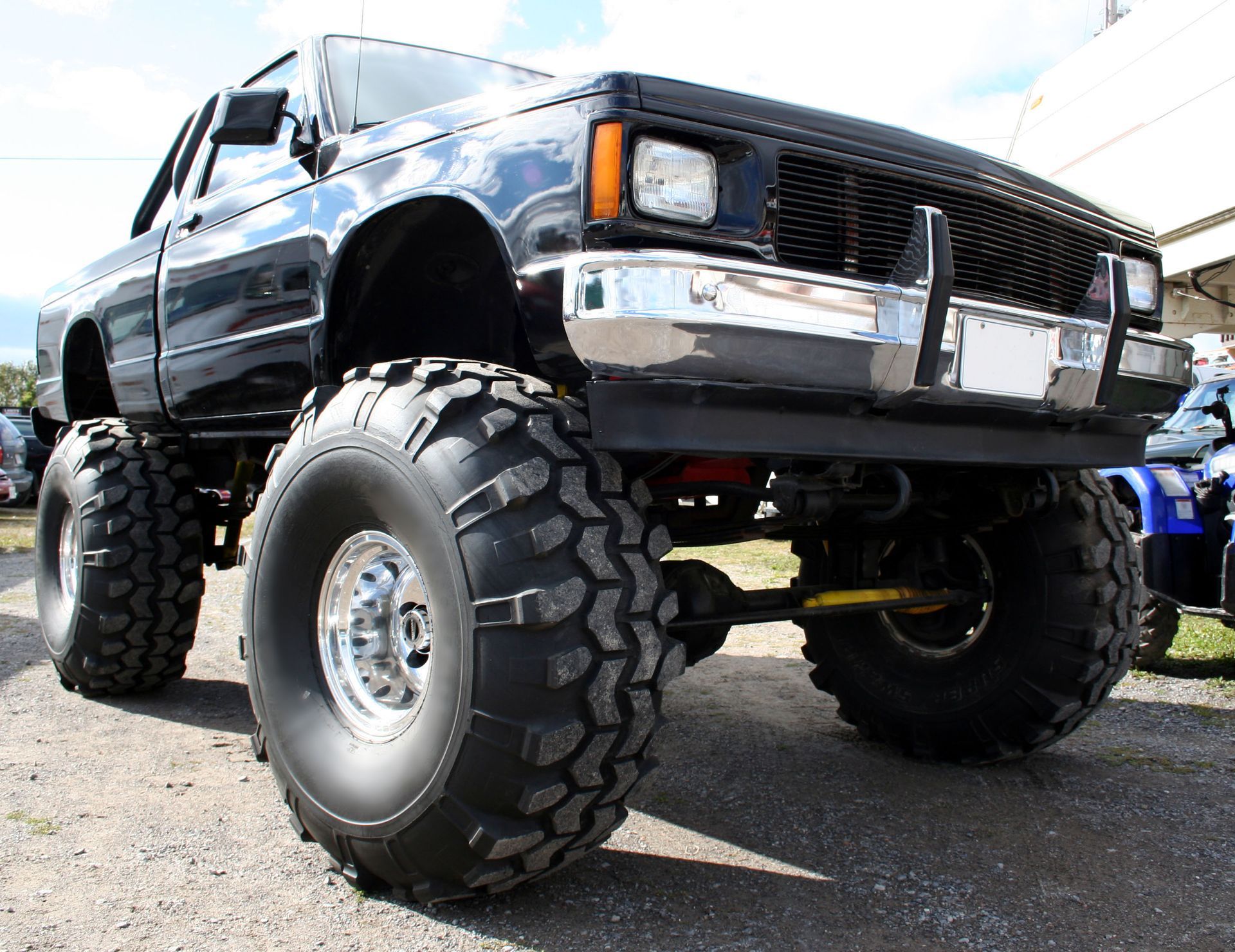
Off-road customization demands rugged components capable of mastering unpredictable terrains like mud, deep sand, and jagged rocks without failing. Taller tires elevate the vehicle's chassis, providing increased ground clearance to protect vital underbody mechanicals and oil pans from sudden impact damage. However, this altered height shifts the vehicle's center of gravity upward, requiring a more cautious approach during high-speed highway cornering to avoid roll risks.
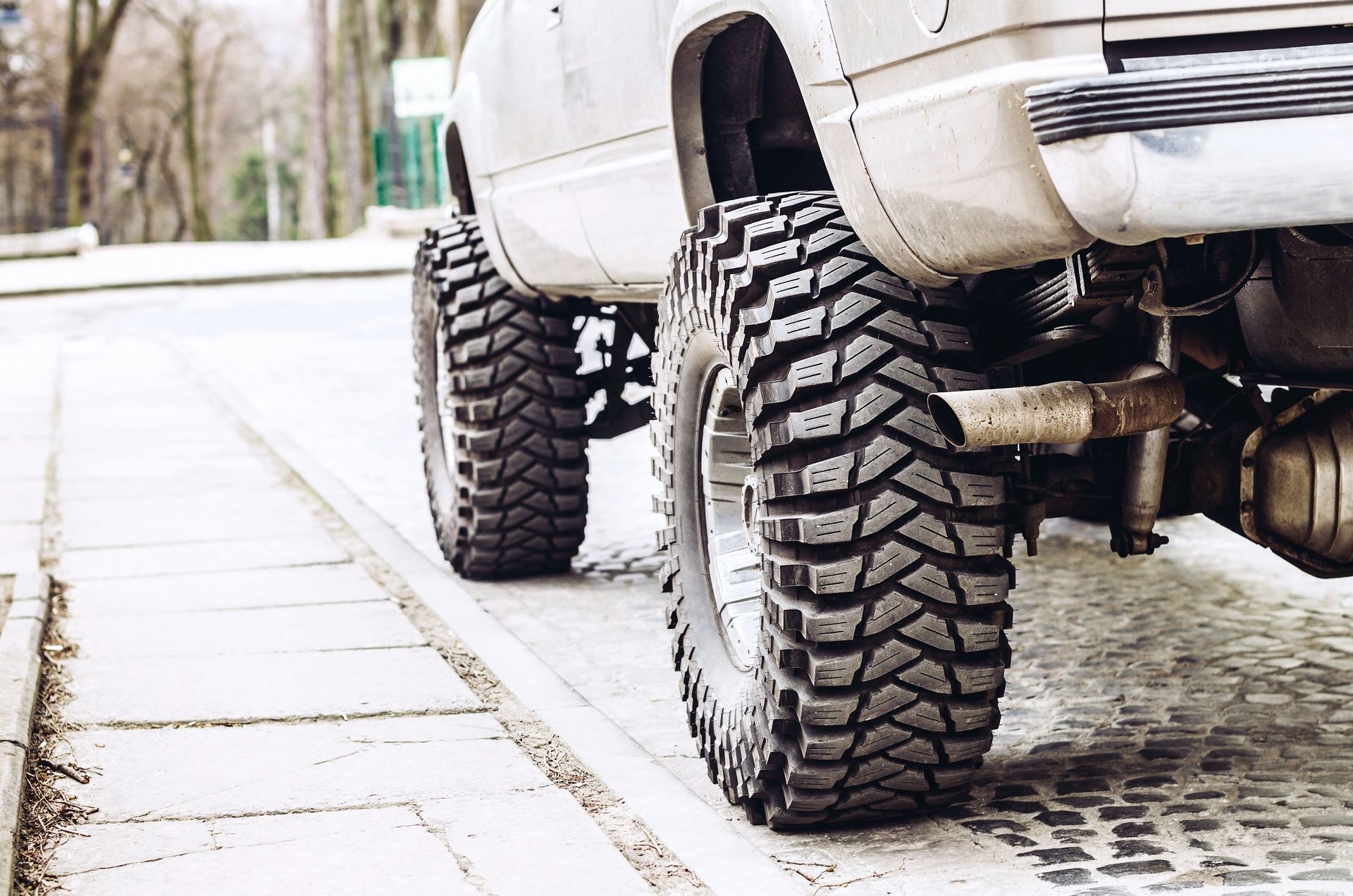
Heavy-duty wheels and reinforced tire sidewalls provide the structural integrity required to withstand extreme punctures, sharp sticks, and abrasions. Off-road tires feature aggressive, deep-groove tread patterns designed to bite into loose dirt and self-clean by ejecting mud and gravel as the wheel spins. While highly effective on trails, these specialized custom wheels and tires generate increased cabin noise and rolling resistance when driven on paved roads. Dedicated adventurers must balance these auditory trade-offs against trail dominance.
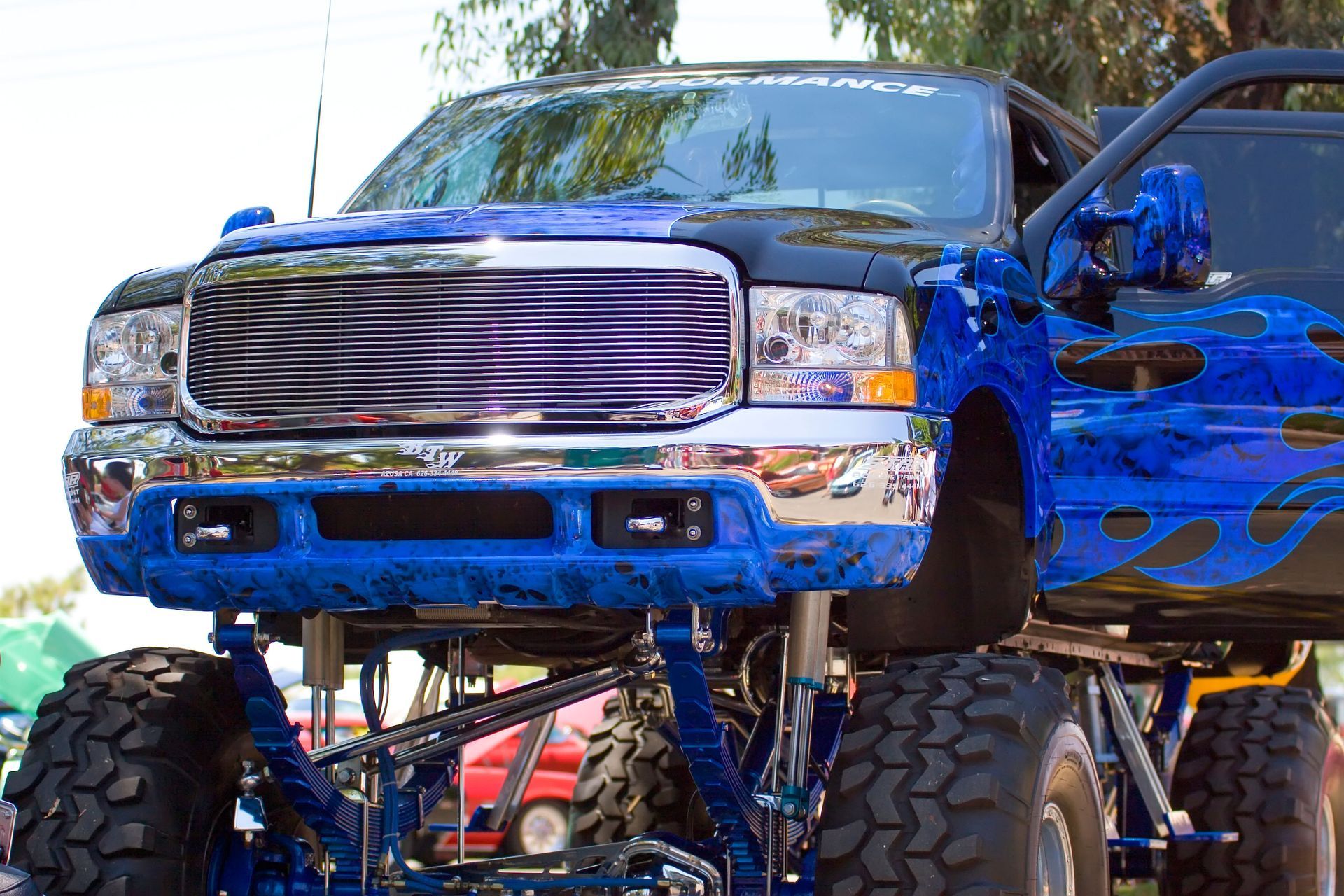
Altering tire dimensions for trail use places unique demands on the vehicle's suspension geometry and factory steering systems. Upgraded shock absorbers, heavy-duty control arms, and suspension lifts are frequently necessary to maintain proper alignment and full wheel travel. Failing to adjust the suspension to accommodate larger wheel assemblies can cause severe tire rubbing against the frame and premature steering component wear. Proper mechanical integration ensures off-road reliability when far from civilization.
Managing Drawbacks And Legal Compliance
Investing in aftermarket modifications requires a clear understanding of the associated financial and regulatory responsibilities over time. High-quality custom wheels and tires carry premium price tags, and specialized finishes like chrome or matte powder coats require dedicated maintenance products to prevent corrosion. Additionally, low-profile tires can accelerate wear on factory suspension bushings and wheel bearings, leading to higher long-term maintenance costs that drivers should budget for early on.
Altering the overall rolling diameter of your tires can disrupt onboard electronic systems, including speedometer accuracy, odometer readings, and anti-lock braking calibrations. If the replacement tire diameter differs significantly from factory specifications, the vehicle's computer may receive incorrect speed data, creating subtle safety risks during hard braking. Recalibrating the vehicle's engine control module or transmission programming is often necessary to correct these electronic discrepancies and maintain smooth shifting profiles.
Local road safety laws and department of transportation regulations must be carefully reviewed before modifying any vehicle track width or rim size. Certain jurisdictions strictly prohibit tires from protruding past the vehicle's fenders due to the risk of throwing dangerous road debris into trailing traffic. Ensuring all custom components adhere to local safety guidelines protects you from costly fines and liability concerns while preserving vehicle safety on public roads. For more information about the services that we offer, reach out to our incredible team at AC Sport today!