July 23, 2026
Many vehicle owners choose suspension upgrades to improve appearance, increase ground clearance, or prepare their trucks and SUVs for demanding terrain. Whether the goal is enhanced off-road capability or a more commanding stance on the road, lift kit installation is an important modification that affects multiple vehicle systems. Understanding what a lift kit does before scheduling the work helps drivers make informed decisions that align with their driving habits and long-term expectations.
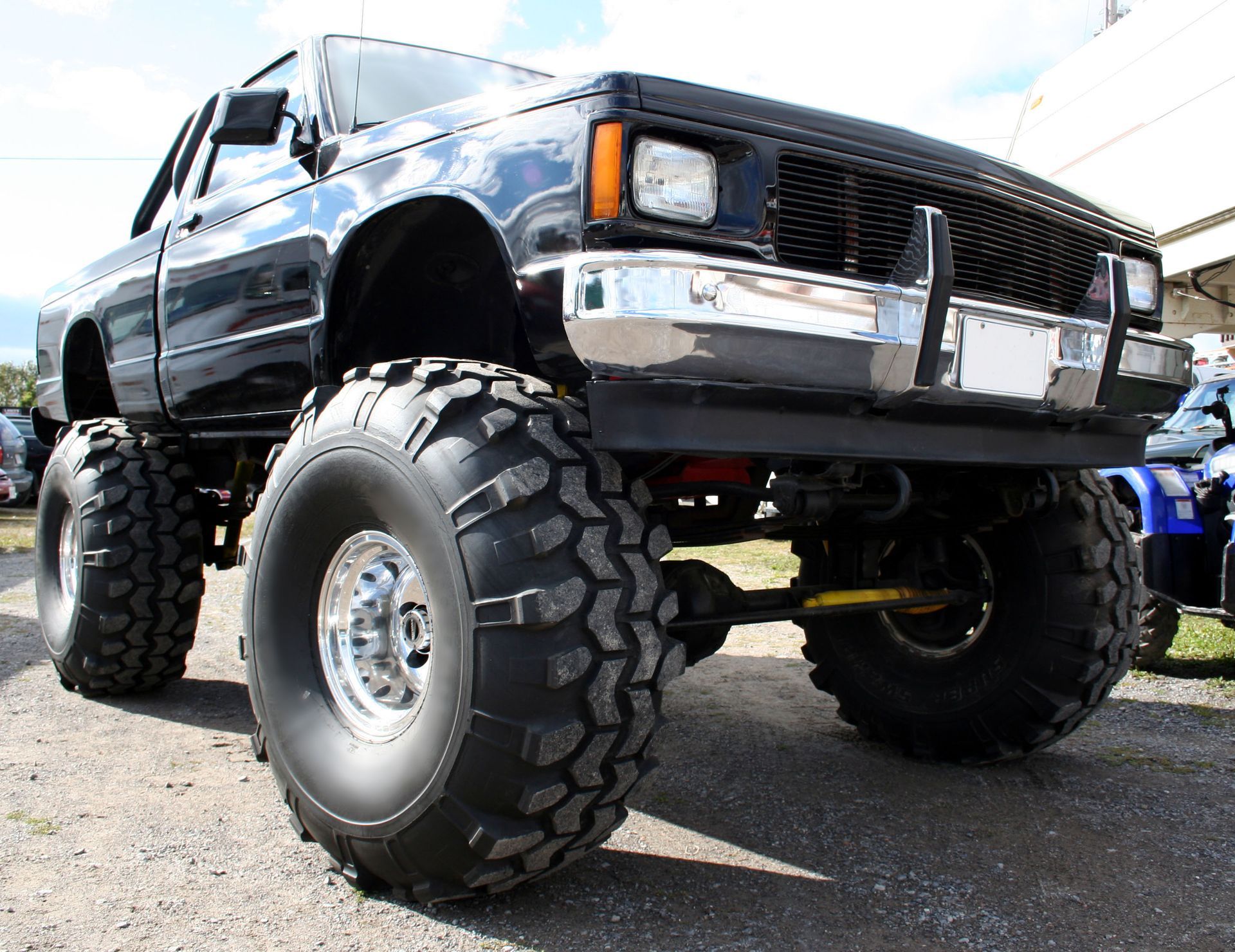
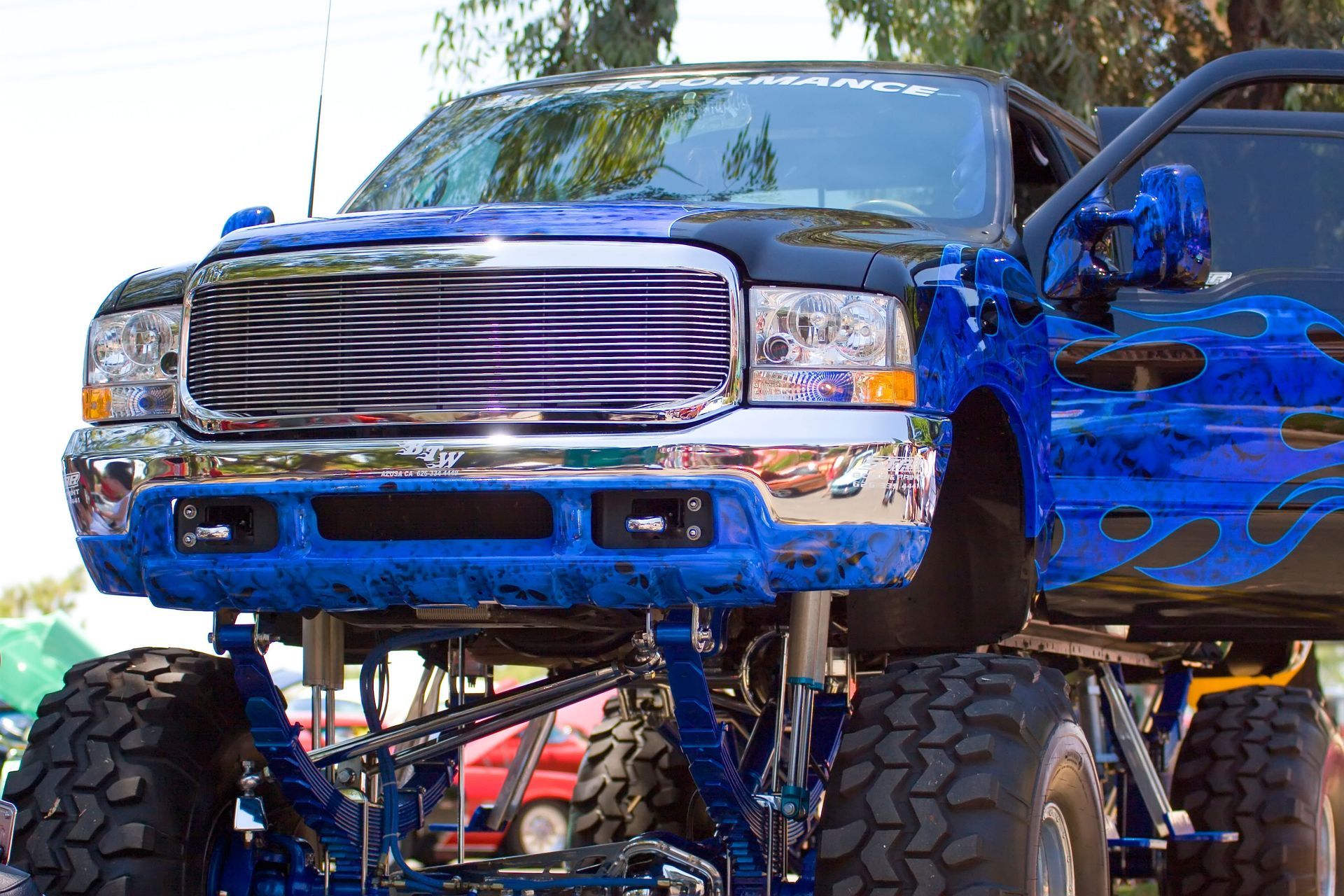
Lift kits generally raise the height of a vehicle by modifying the suspension, body, or both. Suspension lift kits increase the distance between the frame and the axles, while body lift kits raise the body away from the frame without significantly changing suspension geometry. Each option serves different purposes, and selecting the right approach depends on how the vehicle will be used.
Recognizing the Different Lift Kit Options
Not every lift kit produces the same results. Smaller lifts may provide additional clearance for slightly larger tires while maintaining comfortable on-road handling. Moderate and larger suspension lifts often accommodate much larger tires and improve approach, departure, and breakover angles for off-road driving.
Choosing the proper lift kit installation requires considering factors beyond appearance. Vehicle weight, suspension design, drivetrain components, intended tire size, and everyday driving conditions all influence which system best supports reliable performance. A properly matched suspension package helps maintain balanced handling while supporting the intended use of the vehicle.
Drivers who frequently travel on rough trails often prioritize articulation and ground clearance. Those who primarily commute may focus on preserving ride quality while achieving a customized appearance. Understanding these differences helps ensure the selected system meets practical needs instead of simply following current trends.
Evaluating How Suspension Changes Affect Performance
Raising a vehicle changes much more than its appearance. Suspension geometry, steering response, braking characteristics, and overall handling can all be influenced after modifications. Professional planning accounts for these changes so the vehicle continues operating safely and predictably under a variety of driving conditions.
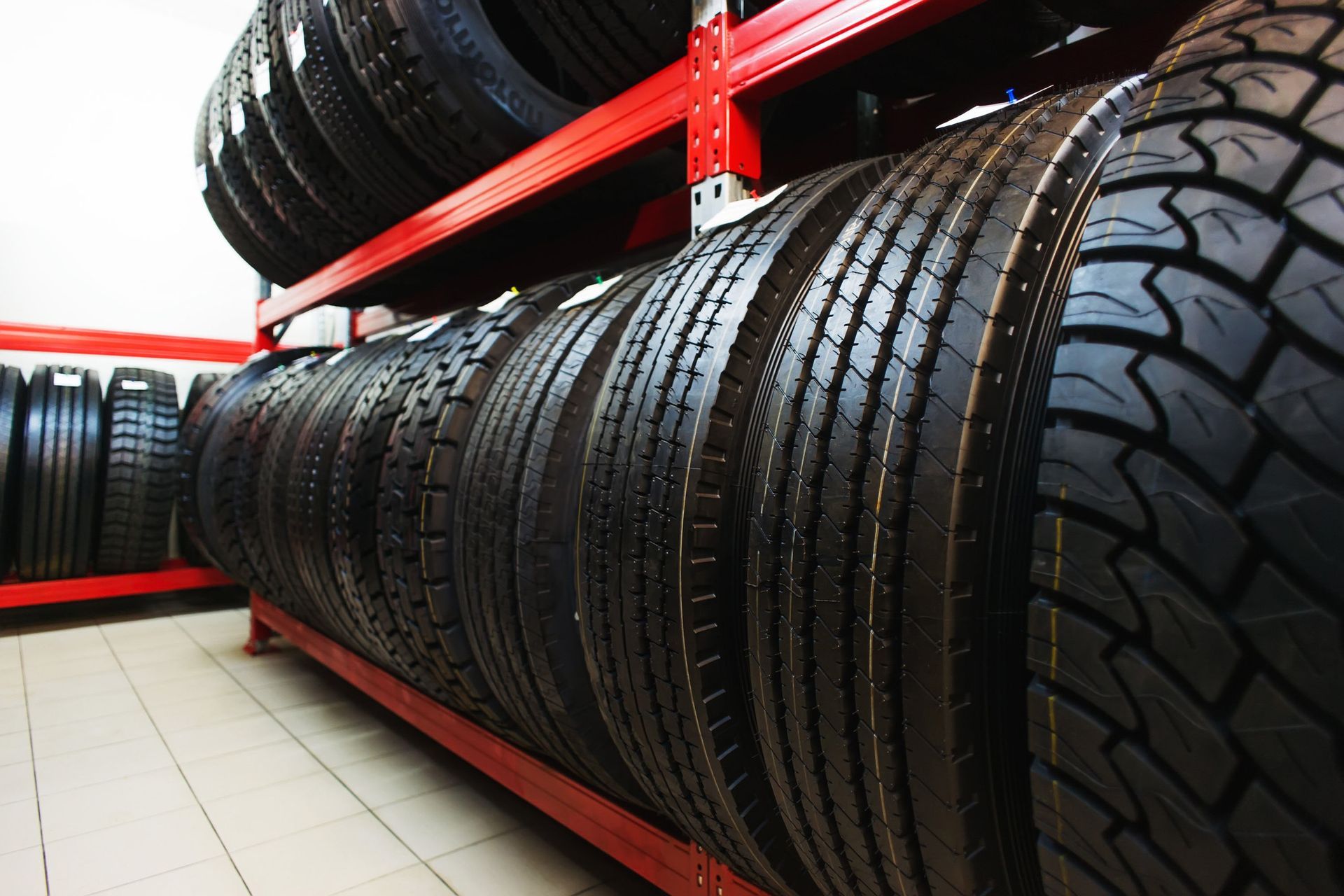
Larger tires commonly accompany lift kit installation, creating additional considerations. Increased tire size may affect acceleration, fuel economy, turning radius, and speedometer accuracy. In some situations, gear ratio adjustments or additional suspension components may improve overall drivability after the lift has been completed.
Weight distribution also deserves careful consideration when planning suspension upgrades. Added accessories such as heavy-duty bumpers, winches, roof racks, bed racks, recovery gear, and cargo systems can increase overall vehicle weight and place additional demands on the suspension. These changes may affect ride quality, steering response, braking performance, and overall handling if they are not properly accounted for during the planning process.
Choosing suspension components specifically designed to support the expected load helps maintain balanced ride characteristics and dependable performance. Working with experienced professionals ensures every component functions together as an integrated system, helping the vehicle remain comfortable, stable, and capable throughout years of everyday driving and recreational use.
Understanding Why Professional Installation Matters
Vehicle suspension systems contain numerous interconnected components that must work together precisely to deliver safe handling, stability, and ride quality. During the installation process, experienced technicians carefully measure, adjust, and inspect every part to help ensure the upgraded suspension performs as intended. This includes evaluating steering alignment, suspension travel, brake line length, driveline angles, and torque specifications so all components function together properly after the modifications are complete.
Professionals also inspect surrounding parts for signs of wear that could affect long-term performance or compatibility with the new system. Proper installation helps maintain predictable steering response, balanced handling, and overall vehicle reliability while reducing the risk of premature component wear.
Because suspension modifications can influence multiple systems throughout the vehicle, precise workmanship and attention to detail are essential. Having the work completed by knowledgeable professionals provides confidence that the suspension has been installed correctly and that the vehicle is prepared for dependable everyday driving and recreational use.
Professional lift kit installation also helps identify existing suspension wear before new components are installed. Replacing worn ball joints, bushings, tie rods, or shocks when appropriate can improve long-term reliability and help maximize the benefits of the upgraded suspension system.
Modern vehicles often include electronic stability control, advanced driver assistance systems, and other integrated technologies. Suspension modifications may require recalibration or additional adjustments to help these systems continue functioning as intended. Experienced installers understand these requirements and follow manufacturer recommendations whenever applicable.
Maintaining the Vehicle After Installation
Regular maintenance becomes increasingly important after suspension modifications. Periodic inspections allow technicians to verify that hardware remains properly torqued, suspension components continue operating correctly, and alignment specifications stay within recommended ranges.
Tire maintenance also contributes significantly to overall vehicle performance. Proper inflation, regular rotation, and routine inspections help maximize tread life while supporting stable handling. According to Cars.com, vehicles driven primarily on highways where braking is infrequent may have brake components that last 70,000 miles or even longer under favorable conditions. Even so, routine brake inspections remain important because suspension modifications, tire size, driving conditions, and vehicle weight may all influence braking performance over time.
Wheel alignments should always be performed according to manufacturer recommendations after lift kit installation or whenever major suspension components have been repaired or replaced. Proper alignment helps ensure that the wheels are positioned correctly, which promotes even tire wear and extends tire life over time. It also improves steering response, making the vehicle feel more stable and easier to control during everyday driving.
Maintaining correct alignment supports predictable handling on highways, city streets, and uneven roads while reducing unnecessary strain on suspension and steering components. Scheduling routine alignment inspections as part of regular vehicle maintenance can help preserve overall performance and identify potential issues before they become more significant.
Considering Long-Term Ownership Benefits
Many drivers view suspension upgrades as an investment that supports both recreational activities and everyday vehicle use. Additional clearance may improve confidence when traveling on uneven roads, navigating challenging terrain, or towing equipment in appropriate conditions. When the suspension system matches the vehicle's intended purpose, owners often enjoy improved versatility without sacrificing overall comfort.
Planning ahead also helps owners choose accessories that complement future upgrades. Tire selection, wheel offset, suspension components, and protective equipment should work together as part of a complete system rather than being selected independently. This coordinated approach helps reduce compatibility concerns while supporting dependable performance over time.
Another important consideration involves local regulations. Vehicle height requirements, lighting placement, tire coverage, and inspection standards may differ between jurisdictions. Consulting knowledgeable professionals before modifying a vehicle helps ensure planned upgrades comply with applicable laws while meeting the owner's performance goals.
Routine communication with qualified service professionals also supports long-term satisfaction. As driving habits evolve, suspension components naturally experience wear, making periodic evaluations valuable for identifying adjustments or maintenance needs before they become larger concerns.
Choosing Qualified Lift Kit Professionals
Selecting experienced professionals is one of the most important decisions throughout the modification process. Reputable installers take time to understand how the vehicle will be driven, explain available suspension options, answer questions clearly, and recommend components that suit the owner's priorities rather than promoting unnecessary upgrades.
Quality workmanship extends beyond simply installing replacement parts. Thorough inspections, accurate measurements, careful alignment procedures, and post-installation evaluations all contribute to reliable performance and customer confidence. Ongoing service support also provides reassurance if future adjustments or maintenance become necessary.
Understanding the fundamentals of suspension modifications allows vehicle owners to make informed choices that balance appearance, capability, comfort, and long-term reliability. When performed by experienced professionals using quality components, lift kit installation can provide lasting value for many types of trucks and sport utility vehicles. For drivers seeking knowledgeable guidance and dependable service, AC Sport offers professional solutions designed to support safe, reliable, and well-planned suspension upgrades.